
Peptides for Recovery, Injury Repair & Inflammation Support
Recovery plays a critical role in overall health, performance, and quality of life. Whether recovering from intense training, chronic inflammation, joint discomfort, or injury, the body relies on complex repair processes to heal and regenerate tissue.
Peptide therapy is increasingly being explored for its potential to support these natural recovery mechanisms—helping individuals recover more efficiently and improve overall function.
How Peptides Support Recovery
Peptides work by signaling specific biological processes involved in healing and repair.
Depending on the peptide and the individual’s goals, therapy may support:
- Cellular repair and regeneration
- Tissue recovery
- Inflammation regulation
- Joint and connective tissue support
- Recovery after physical stress or injury
Rather than masking symptoms, peptides are studied for their ability to support the body’s own healing response.
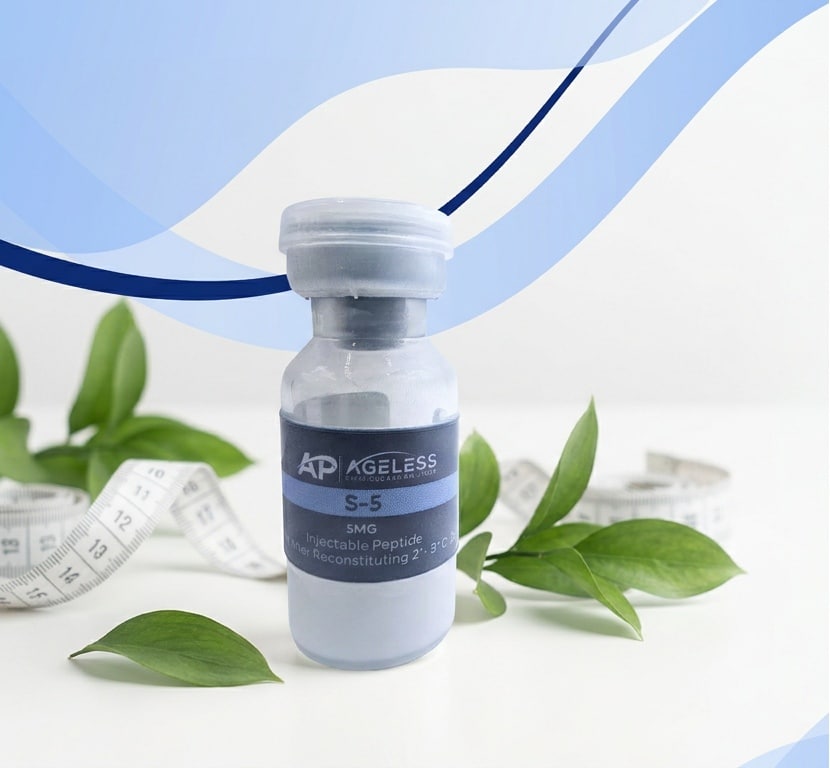

Tissue Repair & Regeneration
The body is constantly repairing damaged tissue, but factors like aging, overtraining, stress, and inflammation can slow this process down.
Certain peptides are researched for their potential role in:
- Supporting tendon and ligament repair
- Assisting muscle recovery
- Encouraging cellular regeneration
- Promoting tissue healing after strain or injury
This has made peptide therapy increasingly popular among active individuals and those looking to improve long-term mobility and recovery.
Joint Health & Inflammation Support
Inflammation is part of the body’s natural healing response—but chronic inflammation can interfere with recovery and overall wellness.
Some peptides are studied for their ability to support:
- Healthy inflammatory response
- Joint comfort and mobility
- Soft tissue recovery
- Overall musculoskeletal health
Supporting inflammation regulation may help improve both recovery quality and day-to-day comfort.
Recovery for Active Lifestyles
Exercise places stress on the body, especially during intense training or repetitive activity.
Peptides may help support:
- Faster post-workout recovery
- Reduced downtime between training sessions
- Improved recovery capacity
- Greater consistency in performance and activity levels
For many individuals, recovery optimization is just as important as training itself. Patients focused on workout recovery may also benefit from IV hydration therapy for fluids, vitamins, minerals, and recovery-focused nutrients


Recovery & Healthy Aging
As we age, the body’s natural repair systems become less efficient.
This can contribute to:
- Slower healing
- Increased joint discomfort
- Reduced mobility
- Longer recovery times
Peptide therapy may be explored as part of a broader wellness and longevity strategy aimed at supporting healthy aging and physical resilience.
Who May Benefit from Recovery-Focused Peptide Therapy?
Peptide therapy may be considered for individuals who:
- Experience chronic soreness or inflammation
- Are recovering from physical strain or injury
- Train frequently and need improved recovery support
- Want to support joint and connective tissue health
- Are noticing slower recovery with age
A medical evaluation helps determine whether peptide therapy is appropriate based on individual health history and goals. Vitamin injections may also support energy, muscle recovery, and inflammation goals for active patients
Safety & Medical Oversight
Recovery-focused peptides should always be used under medical supervision.
Important considerations include:
- Proper evaluation and treatment planning
- Monitoring response to therapy
- Ensuring peptides are sourced appropriately
- Avoiding unnecessary or unregulated use
Personalized medical guidance helps improve both safety and effectiveness.
Support Your Recovery & Long-Term Performance
Recovery is essential for maintaining performance, mobility, and overall quality of life.
Peptide therapy may help support the body’s natural healing processes when combined with a comprehensive wellness and recovery strategy.
👉 Learn more about medically guided peptide therapy at Ageless Physique
👉 Schedule a consultation to explore your options
Read More From Our Peptide Therapy Guide
- What Are Peptides? How Peptide Therapy Works in the Body
- Peptides for Weight Loss & Metabolic Health
- Peptides for Muscle Growth, Strength & Performance
- Peptides for Recovery, Injury Repair & Inflammation Support
- Anti-Aging & Longevity Peptides: Cellular Health & Vitality
- Peptides for Sexual Health & Libido in Men and Women
- Peptide Therapy for Women: Hormones, Metabolism & Healthy Aging
- What Is Peptide Stacking? Benefits & Safety
- Most Popular Therapeutic Peptides & How They Work